Contributed Collaborative Post
Shockwave therapy is a groundbreaking treatment that utilizes low-energy acoustic waves to promote healing in various musculoskeletal conditions. This non-invasive procedure has gained popularity for its effectiveness in addressing issues related to tendons and ligaments, making it a valuable option for individuals suffering from chronic pain. Shockwave therapy can significantly reduce discomfort and improve mobility by stimulating the body’s natural healing processes, allowing patients to regain their quality of life.
Over the years, shockwave therapy has evolved from its initial use in treating urinary stones to a widely accepted approach in orthopaedics and physical therapy. It is now commonly employed to alleviate conditions such as plantar fasciitis, tennis elbow, and shoulder tendinitis. As healthcare providers continue to explore innovative treatment methods, shockwave therapy stands out for its impressive results and minimal side effects, attracting the interest of both practitioners and patients alike.
Understanding how shockwave therapy works is essential for those considering this treatment option. The application of strategically targeted sound waves helps to break down scar tissue and calcifications, enhancing blood flow to the affected areas. This dynamic approach not only promotes faster recovery but also offers hope for those who have not found relief through conventional methods. With its expanding range of applications, shockwave therapy presents an exciting frontier in pain management.
How Shockwaves Stimulate Tissue Repair and Reduce Inflammation
Shockwave therapy employs acoustic waves to initiate healing processes in tissues. This method significantly aids in tissue repair and diminishes inflammation, making it beneficial for various musculoskeletal conditions. Understanding the mechanics behind shockwaves can clarify their role in treatment.
The Role of Acoustic Waves in Breaking Down Scar Tissue and Promoting Circulation
Acoustic waves from shockwave therapy penetrate the tissue, creating microtraumas. These microtraumas stimulate the body’s natural healing response, facilitating the regeneration of damaged tissues. This process promotes cell growth and encourages the formation of new blood vessels, which is crucial for delivering oxygen and nutrients.
Additionally, shockwave therapy helps in breaking down scar tissue. Scar tissue often hinders movement and causes discomfort. By disrupting the structure of this tissue, shockwaves not only alleviate pain but also restore mobility to the affected area. Enhanced blood circulation from the therapy further supports faster recovery, reducing inflammation and pain.
Differences Between Radial and Focused Shockwave Therapy and Their Applications
Radial and focused shockwave therapies differ primarily in their application and treatment depth.
Each type serves unique therapeutic needs. RSWT is generally more comfortable, while FSWT may provide quicker, more pronounced results for deep-seated ailments. Understanding these distinctions aids practitioners in choosing the appropriate method for specific conditions.
Key Applications of Shockwave Therapy in Musculoskeletal Treatment
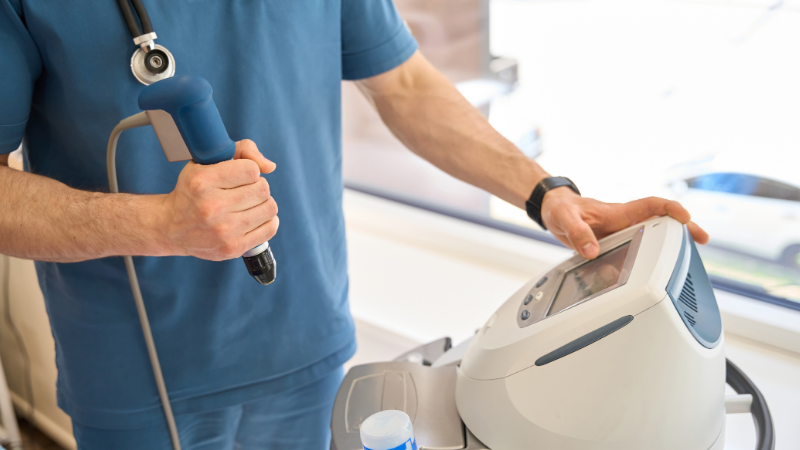
Shockwave therapy has emerged as an innovative approach to treating various musculoskeletal disorders. Its efficacy in targeting pain and promoting healing makes it suitable for different conditions. The following sections detail specific applications and their benefits for patients experiencing related issues.
Sports Injuries – Effective Treatment for Tendonitis, Muscle Strains and Ligament Injuries
In the realm of sports injuries, shockwave therapy has proven effective for treating tendonitis, muscle strains, and ligament injuries. Conditions like lateral epicondylitis and patellar tendonitis respond well since the therapy targets inflamed tendons, reducing pain and improving function.
Treatment often involves delivering acoustic waves that stimulate repair processes in damaged tissues. The non-invasive nature of the procedure makes it appealing to athletes seeking speedy recovery. This therapy can accelerate healing times, allowing individuals to return to their activities sooner, enhancing overall athletic performance.
Chronic Pain Conditions – Managing Plantar Fasciitis, Frozen Shoulder and Calcific Tendinitis
For chronic pain conditions, shockwave therapy offers substantial relief for ailments such as plantar fasciitis, frozen shoulder, and calcific tendinitis. It alleviates inflammation and encourages blood flow to affected areas, promoting quicker healing and reduced discomfort.
Plantar fasciitis treatments involve targeted shockwaves to the fascia, easing pain and improving mobility. Similarly, frozen shoulder sufferers benefit from enhanced range of motion and less stiffness due to the therapy’s effects on joint tissues. Overall, these applications provide long-term benefits, improving the quality of life for those afflicted by chronic pain.
Post-Surgical Recovery – Enhancing Healing and Reducing the Risk of Scar Tissue Buildup
Shockwave therapy plays a vital role in post-surgical recovery, facilitating healing and minimising scar tissue formation. Surgeons often recommend this therapy following procedures, especially those involving soft tissues.
Promoting circulation and increasing cellular activity enhances the body’s healing processes. This approach can significantly reduce the duration and intensity of recovery. Additionally, it optimises tissue repair, leading to improved outcomes and a higher likelihood of return to baseline function for patients undergoing rehabilitation.
Types of Story Medical Shockwave Machines and Their Benefits
Storz Medical offers a variety of shockwave machines, each designed to address specific therapeutic needs. Understanding these devices and their benefits is essential for practitioners looking to enhance treatment efficacy for their patients. Below are the primary types of Storz Medical shockwave machines, highlighting their unique features and applications.
DUOLITH® SD1 (FSW + RSW) – Combining Focused And Radial Waves For Deep Tissue Penetration
The DUOLITH® SD1 features both Focused Shockwave (FSW) and Radial Shockwave (RSW) technologies. This combination allows for versatile treatment options, targeting both superficial and deep tissue conditions. The device is designed for effective pain relief, enhancing tissue healing, and improving mobility.
With adjustable settings, practitioners can tailor treatments to individual patient needs. It is suitable for a range of conditions, including tendonitis and plantar fasciitis. Moreover, its dual technology optimises therapy outcomes, making it a valuable asset in clinical practice.
MAGNETOLITH® (EMTT) – Electromagnetic Therapy For Chronic Pain Relief And Regeneration
The MAGNETOLITH® machine employs Electromagnetic Wave Therapy (EMTT) to alleviate chronic pain and promote tissue regeneration. This advanced technology works by stimulating cellular processes and enhancing blood flow to affected areas.
By using electromagnetic waves, the system can penetrate deeper tissues without causing discomfort. It is particularly effective for treating musculoskeletal disorders and improving the healing of soft tissue injuries. Many users report significant pain relief and increased functional mobility following regular sessions.
DUOLITH® SD1 FOCUS T-TOP – Targeted Therapy For High-Precision Musculoskeletal Treatments
The DUOLITH® SD1 FOCUS T-TOP is engineered for high-precision treatments of specific musculoskeletal conditions. This device focuses energy on targeted areas, making it ideal for treating joint pain, tendinopathies, and trigger points.
Its precision allows practitioners to apply shockwaves to hard-to-reach areas with minimal discomfort. The machine’s effectiveness is further enhanced by its ability to modulate energy levels according to the intensity required. Consequently, it is beneficial for both acute and chronic conditions, promoting faster recovery in patients.
D-ACTOR® 100 »ultra« – Designed For Widespread Use In Physiotherapy And Rehabilitation
The D-ACTOR® 100 »ultra« model is designed for broad application in physiotherapy and rehabilitation settings. This device utilises a combination of radial shockwave techniques to treat various conditions from sports injuries to chronic pain syndromes.
It is lightweight and portable, allowing for easy handling during therapy sessions. The user-friendly interface ensures that practitioners can quickly adjust settings to accommodate different treatment protocols. With its focus on promoting healing and decreasing recovery time, this model is an excellent choice for practitioners looking to enhance their therapeutic offerings.
Storz Medical’s shockwave machines provide practitioners with effective tools to treat a variety of conditions, making them vital in contemporary therapeutic practices.
Advantages Of Shockwave Therapy Over Traditional Treatments
Shockwave therapy presents numerous advantages compared to traditional treatments for pain management and recovery. It offers a non-invasive approach with a focus on enhancing healing processes, leading to improved patient outcomes. The following outlines key benefits of this innovative treatment modality.
Non-Invasive Alternative To Surgery And Long-Term Pain Medication
Shockwave therapy is a significant alternative to both surgical procedures and prolonged medication use. Instead of requiring incisions or invasive methods, it employs acoustic waves that stimulate healing in targeted areas.
This non-invasive technique reduces the risks associated with surgery, such as infections and lengthy recovery periods. Furthermore, unlike traditional pain medications that often come with side effects such as gastrointestinal issues, shockwave therapy promotes natural healing processes without introducing foreign substances into the body.
Many patients experience reduced pain and improved function without depending on drugs, making it a safer option for long-term management.
Shorter Recovery Periods And Reduced Risk Of Complications
Patients undergoing shockwave therapy typically enjoy shorter recovery times when compared to traditional treatments. This method allows individuals to return to their daily activities faster due to its non-invasive nature.
Since it does not require surgery, there are fewer complications involved, such as anaesthesia risks or extensive post-operative care. The body is also less stressed, leading to more efficient healing.
Patients often report resuming regular activities soon after treatment, contributing to enhanced quality of life. Thus, shockwave therapy is particularly beneficial for those with busy lifestyles or professional obligations.
Clinically Proven To Improve Mobility And Reduce Pain Without Downtime
Clinical studies indicate that shockwave therapy effectively improves mobility and significantly reduces pain. Patients often experience results after just a few sessions, making it an efficient option for managing chronic conditions.
The treatment works by stimulating collagen production and promoting blood flow in the targeted areas. This dual action not only alleviates existing discomfort but also contributes to long-term recovery.
Moreover, since the therapy requires no downtime, individuals can integrate it into their routines without interruptions, allowing them to maintain their physical activities. The combination of proven efficacy and minimal disruption makes shockwave therapy an appealing option for many patients.
How To Integrate Shockwave Therapy Into Clinical Practice
Integrating shockwave therapy into a clinical setting involves several critical steps. Healthcare professionals must evaluate its suitability, ensure proper training for staff, and select the right devices tailored to their treatment needs. Each of these elements contributes significantly to the effectiveness of shockwave therapy in enhancing patient care.
Steps For Evaluating If Shockwave Therapy Is Suitable For A Clinic
Before implementing shockwave therapy, clinics should assess various factors. Initial evaluation includes understanding patient demographics, typical pathologies, and existing treatment modalities. Conducting a needs assessment can help identify whether the addition of shockwave therapy aligns with patient needs and practice goals.
Clinics must also review scientific evidence supporting shockwave effectiveness for specific conditions like tendonitis, plantar fasciitis, or calcific shoulder. Collaborating with providers who have successfully integrated the technology can also offer insights. For optimal results, setting measurable objectives in advance can help track the therapy’s impact on patient outcomes.
Training Requirements For Healthcare Professionals
Effective integration of shockwave therapy requires comprehensive training for healthcare professionals. Staff should be familiar with the technology and its clinical applications. Training programs, often provided by device manufacturers, should cover operational protocols, safety measures, and treatment techniques.
Ongoing education is crucial, as continuous advancements in shockwave technology may require periodic updates to knowledge and skills. Workshops, online courses, and hands-on training sessions can enhance practitioners’ confidence in using shockwave therapy effectively. Certifications can also offer professional recognition and credibility in the field.
Considerations For Choosing The Right Shockwave Therapy Device Based On Treatment Needs
Selecting an appropriate shockwave therapy device is paramount for achieving desired treatment outcomes. Before purchasing, clinics should evaluate device specifications, including energy output, frequency settings, and ergonomic design. These factors can affect the efficacy of treatments for different conditions.
Budget constraints are another consideration. Clinics should compare options against their financial resources while considering the potential return on investment. Collaborating with a distributor like Vale Medical can provide access to reliable Storz Medical devices tailored to various clinical needs. Proper evaluation of these aspects ensures that the selected device aligns with the clinic’s operational goals and patient requirements.
Frequently Asked Questions
This section addresses common inquiries regarding the training healthcare professionals require to provide shockwave therapy, its effectiveness for various medical conditions, specific mechanisms of action in treating plantar fasciitis, and particular conditions where this therapy proves advantageous.
What are the Training Requirements For Healthcare Professionals to provide shockwave therapy?
Healthcare professionals offering shockwave therapy typically need to complete specific training programs focusing on properly using equipment and understanding the therapy’s principles. These programs often include hands-on experience, theoretical knowledge, and safety protocols essential for effective application.
Certification courses may be available, depending on the region, that focus on anatomy, patient assessment, and the indications and contraindications for shockwave therapy. Professionals such as physiotherapists, chiropractors, and medical doctors are commonly involved in administering this treatment after completing relevant training.
How effective is shockwave therapy in treating certain medical conditions?
Research indicates that shockwave therapy is effective for a range of musculoskeletal conditions. In particular, studies suggest significant improvements in pain reduction and functionality for patients with chronic tendonitis, plantar fasciitis, and retrocalcaneal bursitis.
Patients often report relief from symptoms after several sessions, with some studies indicating significant improvement as early as three to six weeks into treatment. These findings position shockwave therapy as a favourable option for those seeking non-invasive pain management solutions.
How does shockwave therapy work to alleviate symptoms of plantar fasciitis?
Shockwave therapy alleviates plantar fasciitis symptoms by delivering high-energy sound waves to the affected area. This process stimulates cellular regeneration and tissue healing, targeting inflammation present in the fascia.
The treatment increases blood flow to the area, promoting healing and reducing pain. Additionally, shockwave therapy is believed to break down calcifications and stimulate the production of collagen, which is critical for tissue repair.
Are there any specific conditions where shockwave therapy is particularly beneficial?
Several conditions demonstrate notable benefits from shockwave therapy. Chronic tendonitis, especially in the shoulder and elbow regions, as well as Achilles tendonitis, are prominent examples.
Moreover, shockwave therapy is beneficial for conditions like plantar fasciitis and chronic pain in soft tissue injuries. Given its non-invasive nature, it serves as an attractive option when traditional treatment methods have proved insufficient.
This is a contributed collaborative post


