Contributed Collaborative Post
Everyday underwear should feel comfortable from breakfast to bedtime without digging in, bunching up or demanding constant adjustment. Fabric, fit and construction all affect how a pair feels beneath workwear, gym clothes and relaxed weekend outfits. Paying attention to a few practical details can help you build an underwear drawer filled with dependable options you’ll actually want to wear.
Why Fabric Matters Most
Fabric sits against your skin for hours, so softness and breathability deserve close attention. Cotton absorbs moisture and allows air to circulate, which makes it a popular choice for daily wear. Blended fabrics may add stretch, helping underwear retain its shape through regular movement and washing.
Check the gusset as well as the main fabric. A cotton-lined gusset can provide breathable coverage even when the rest of the garment contains microfibre, lace or elastane. Anyone with sensitive skin may also benefit from reviewing guidance on textile contact dermatitis, particularly when irritation seems linked to dyes, elastic or synthetic fibres.
Feel the material before buying where possible. A rough waistband or stiff trim rarely becomes more comfortable after several washes.
Finding Your Perfect Fit
Start with your current hip and waist measurements, then compare them with the retailer’s size chart. Underwear sizing isn’t fully standardised, so your usual dress size may not offer the best guide. If you fall between sizes, consider how the fabric behaves. Firm cotton with limited stretch may feel better in the larger size, while a soft stretch blend may adapt more easily.
The waistband should sit flat without leaving deep marks. Leg openings should remain in place when you walk, sit or bend. If the fabric gathers at the back, try a smaller size or a cut with less coverage. If it pulls across the hips, move up a size or select a more flexible style.
When trying an unfamiliar cut, buy one pair first and wear and wash it before ordering more. That gives you a better idea of how the fabric, rise and coverage feel throughout the day.
The Benefits of Bikini Cotton Panties
A bikini cut usually sits below the natural waist with narrower sides than a traditional brief. This shape works neatly under mid-rise jeans, skirts and many casual dresses while still providing enough back coverage for everyday comfort. Bikini cotton panties can be a practical option for anyone who prefers a lower rise without giving up too much coverage.
Cotton adds breathability and a familiar, soft feel. It can be particularly practical during long working days or warm weather, although the exact comfort level depends on fabric weight, seam placement and fit. Look for smooth leg openings that stay secure without gripping.
This style may also suit a varied wardrobe. A simple, low-profile pair can disappear under loose trousers and thicker fabrics. Under close-fitting clothes, check the seams in natural light before leaving home, as edging that looks smooth indoors may show through fine jersey or pale material.
Style Meets Function
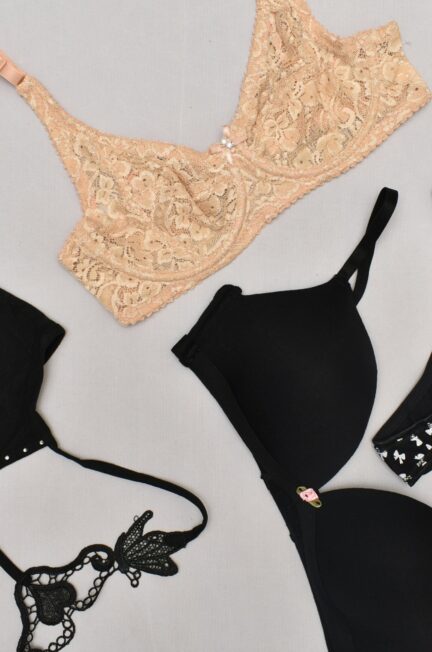
Colour and detail can make everyday essentials feel more considered, but construction should guide the final choice. Flat seams reduce bulk beneath clothing, while covered elastic feels gentler against the skin. Lace panels can add visual interest, though soft stretch lace generally works better for extended wear than rigid decorative trims. The right underwear can also help enhance your look by creating a smoother foundation beneath clothing and helping an outfit feel more polished.
Think about your weekly routine. Neutral shades are versatile under office clothes, while brighter colours can make a basic drawer feel less predictable. Nude shades should closely match your own skin tone if you want them to remain discreet beneath light garments.
Keep options that support the clothes you genuinely wear. A small selection of reliable cuts is more useful than a drawer full of uncomfortable impulse purchases.
Care Tips for Longevity
Read the care label before the first wash because fibre blends and trims can have different requirements. A mesh laundry bag helps stop delicate fabric from twisting around zips, hooks and heavier garments. Fasten any nearby closures and wash similar colours together on a gentle cycle.
Cool or lukewarm water is usually suitable for cotton underwear, though the label should always take priority. Use the recommended amount of mild detergent, since excess product can remain in fibres and affect softness. Fabric conditioner may coat some stretch fibres and reduce their performance over time.
Air drying is gentler on elastic than repeated high-heat tumble drying. Reshape each pair while damp, then lay it flat or hang it away from strong direct sunlight. Once the waistband loses its recovery, seams begin to rub or the fit changes noticeably; replacing the pair will restore the comfort your everyday clothes depend on.
A quick drawer check every few months keeps worn pieces from becoming the ones you reach for out of habit. Keep the pairs that stay comfortable through a full day and use their fabric, rise and seam style as your guide for future purchases.
This is a contributed collaborative post