Contributed Collaborative Post
Camping can be an exciting way to reconnect with nature, refresh your spirit, and escape the daily grind. But having fun doing it often depends on preparation. Knowing what important items will provide you with safety, comfort, and enjoyment during a camping adventure can make all the difference between an exciting adventure and a dreadful ordeal. In this blog, we will look at some of the things that can help even first-time campers gear up efficiently.
Shelter and Sleeping Gear
Shelter and sleeping arrangements are important components of camping. Weather and terrain changes quickly, making having reliable shelter and comfortable sleeping arrangements a must-have.
- Tent: For best possible camping comfort and convenience, select a high-quality tent suitable for the climate and number of campers in your group. It should be weatherproof and easy to put up. Consider choosing one with sufficient ventilation and an overhanging rainfly.
- Sleeping Bag: When selecting a sleeping bag to bring camping, choose one with insulation features so as to stay warm in colder climates.
- Sleeping Pad or Mat: An air mattress will add comfort while also giving you insulation from cold ground temperatures, making a significant improvement to the quality of your sleep.
- Additional Shelter Items: Ground tarps, bivy sacks or hammocks provide excellent secondary options, which is ideal for minimalist campers or as backup shelter.
Food and Cooking Equipment
Surviving camping means more than filling your belly, it requires maintaining both your energy and health in a way that won’t tire you out in the wilderness. Food planning and preparation tools help mitigate potential stress-inducing hunger pangs in the wilderness.
- Non-Perishable Food: Pack lightweight nonperishable items such as canned goods, freeze-dried meals, nuts and granola bars as these provide compact energy-rich options for quick meal preparation.
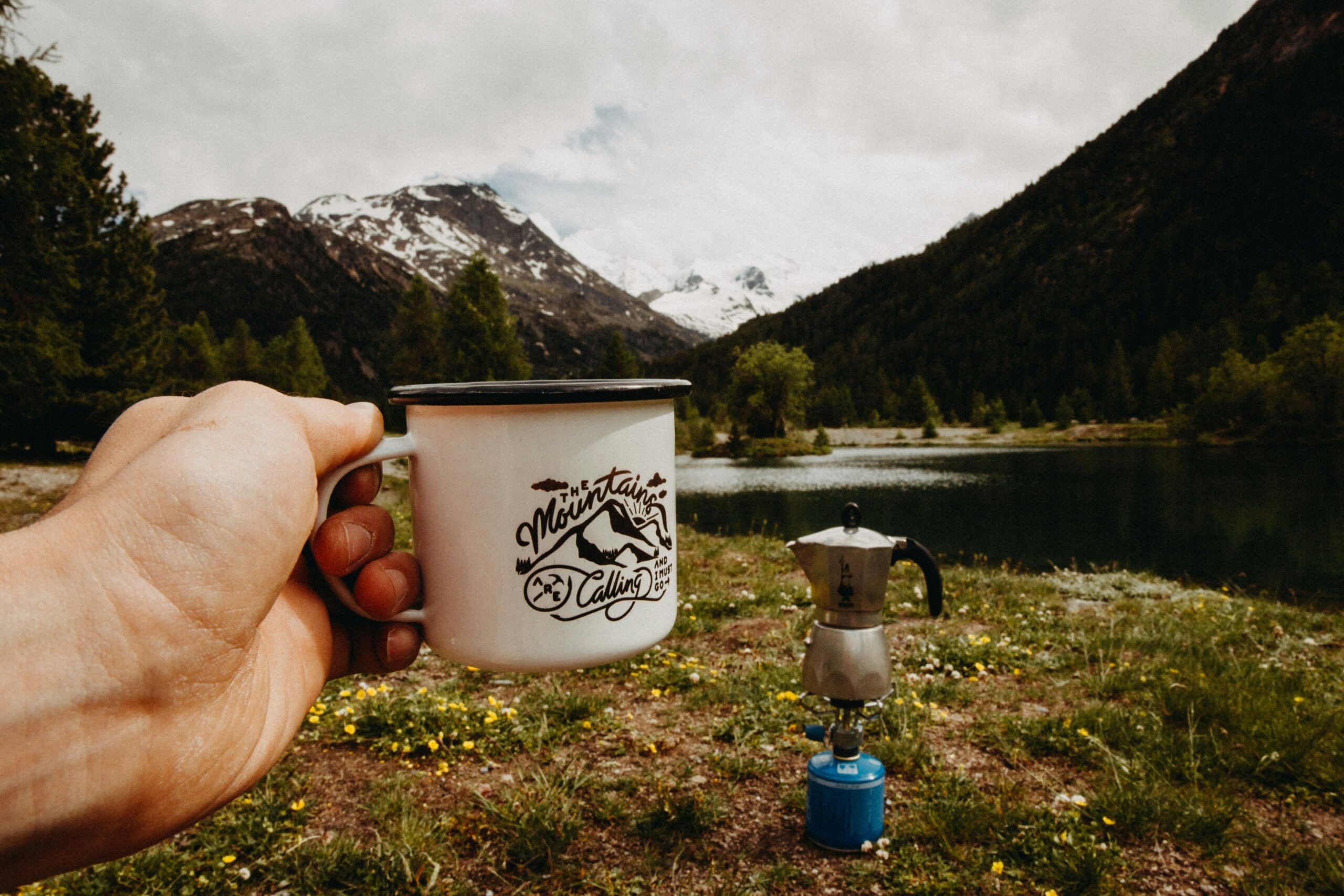
- Cooking Gear: For optimal camping cooking gear, invest in a portable camping stove, fuel and compact cookware set. Don’t forget utensils such as sporks, knives and lighter or waterproof matches.
- Food Storage: When it comes to storing food, make sure it’s kept in sealable containers or canisters designed to prevent wildlife from getting to it. Perishable items should be placed in a cooler.
- Water Supply and Filtration: While having access to enough clean drinking water is of course important, always carry along an effective water filtration method or purifying tablets too.
Clothing Essentials
In the wilderness, practical clothing designed to protect and comfort you are very important components to survival.
- Layering Essentials: Pack clothing in layers so you’ll be prepared for changing temperatures, with the base layers to wick moisture, mid layers providing warmth, and outer layers protecting from wind and rain.
- Durable Footwear: Proper boots or hiking shoes designed for your specific environment can help make sure that you avoid unnecessary injuries to your feet and avoid potential missteps during an outdoor adventure.
- Accessories: Hats, gloves, and scarves can make all the difference when hiking through cold nights or sunny midday hikes.
- Extras: Always carry extra socks and a lightweight packable rain jacket. These can both come in handy during wet conditions.
Navigation Tools
Even in a time ruled with smartphones, navigation tools remain important when camping. Technology may fail or signal reception may be limited.
- Maps and Compass: A physical map and compass remain among the most reliable means for finding your way.
- GPS Device: Carry a GPS device as a modern navigational aid, but don’t rely solely on it for navigational guidance.
- Marking Tools: Flagging tape or trail markers help keep paths visible when venturing deeper into nature.
Safety and Emergency Kit
Mother Nature can be unpredictable, so having a well-stocked safety and emergency kit will give you some reassurance during unexpected events.
- First Aid Kit: In terms of first aid kits, include items such as bandages, antiseptic wipes, pain relievers, adhesive tape, and tweezers in order to prepare yourself adequately in case something unexpected arises.
- Multi-Tool or Swiss Army Knife: For all-around use, having a good multi-tool can cover everything from cutting rope to repairing gear.
- Fire Starters: Always carry waterproof matches, lighter, and fire starters so that a fire can be started at any time of day or night.
- Emergency Shelter: Lightweight survival bivvy sacks provide warmth and protection if you get stranded outdoors.
- Whistle and Signal Mirror: These are great tools to use during emergencies as a signal for help to come quickly.
Lighting and Power
Outdoor spaces are notoriously dark places. To navigate a campsite effectively and keep an eye on its environment safely, reliable lighting is indispensable for navigation, meal prep and monitoring the surroundings.
- Power Bank: For emergencies that involve electronics, bring along a solar-powered or pre-charged power bank as it’s an easy and safe way to keep important devices charged, like phones or GPS units. This will make sure that you remain connected and safe even in remote locations with limited access to electricity.
- Lanterns: Choose battery- or solar-powered lanterns as they offer reliable lighting that reaches far across communal areas of your campsite. They provide wide-reaching illumination that supports safe navigation as well as providing enough light for group activities, meal prep and evening relaxation after dark. Always make sure that the battery levels or solar lanterns have enough charge before using them.
- Headlamp or Torch: Headlamps provide convenient hands-free illumination in low light conditions, making work (like meal prep) and travel in the dark easier. A torch provides additional focused light. Look for models suitable for outdoor use that offer durable waterproof protection. Always bring extra batteries along as an insurance against unexpected darkness.
Hygiene and Personal Care
Maintaining personal hygiene when camping ensures your comfort, health and an enjoyable camping experience for everyone involved (no one likes a stinky armpit).
- Biodegradable Soap: With biodegradable soap as your wash solution you can minimise the environmental impact when you are washing hands, dishes or yourself.
- Toiletries: Always carry important toiletry items, such as toothbrushes, toothpastes, hand sanitiser, hand towels and quick-dry towels.
- Portable Toilet Solutions: If facilities are unavailable to you, consider portable toilet solutions or bring along a trowel for digging catholes.
- Waste Management: Always bring trash bags with you and pack up everything you bring into nature. Leave no trash, only footprints.
Conclusion
Camping is equal parts preparation and adventure. With the appropriate gear and mindset in place, an enjoyable camping experience awaits you. From important shelter and clothing needs to personal hygiene tools and navigation devices, this blog looks at everything you’ll need for surviving your camping trip. Keep nature in mind, and treat her with respect. Make the most out of every moment spent outdoors.
This is a contributed collaborative post