Contributed Collaborative Post
Ancient sites turn distant history into something tangible. A carved inscription, a weathered temple wall or a road laid thousands of years ago can reveal how people worked, worshipped and built communities. For history lovers, visiting these places offers context that books alone can’t provide. The most rewarding trips combine famous monuments with local museums, expert insight and enough time to notice the details that hurried visitors often miss.
Tracing Ancient Civilisations
Start with a region’s timeline before planning individual stops. India’s Mughal and Rajput heritage, Egypt’s dynastic periods and the cities of classical Greece all become easier to understand when you know which cultures overlapped. A simple one-page chronology can help you connect artefacts in museums with the sites you later visit.
Recent archaeological work also shows how much remains to be discovered. Research into a 3,000-year-old civilization demonstrates how pottery, architecture and everyday objects can reshape established accounts. Keep brief notes during your trip, including dates and unfamiliar names, so each stop builds on the last.
Iconic Historical Landmarks
Major landmarks deserve their reputation, but timing can shape the whole experience. Arrive near opening time to enjoy cooler conditions, fewer crowds and clearer views of architectural details. Check photography rules in advance and allow at least two hours for large complexes.
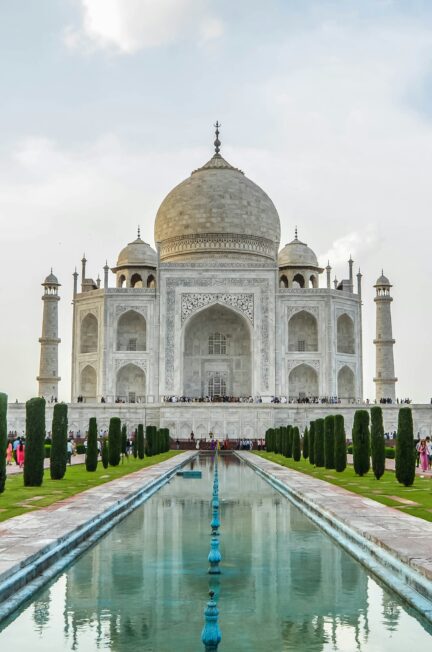
India works particularly well for travellers who want several historic periods in one itinerary. Delhi, Agra and Jaipur bring together grand tombs, palaces and centuries-old city districts. Organised options such as Titan Travel’s India packages can help connect these places within a practical route. Elsewhere, reading about the Seven Ancient Wonders provides useful context for sites whose original structures have partly or completely disappeared.
Beyond the Guidebook Stories
The smaller stories often stay with you longest. Ask a local guide how residents use a historic district today, where traditional crafts are still practiced and which details visitors tend to overlook. A faded merchant’s mark or an old water channel may explain daily life more clearly than an imposing ceremonial building. Exploring cultural experiences around the world can also help travelers appreciate how local customs and traditions give historical places their deeper meaning.
Local museums are especially valuable because they place excavated objects close to their original setting. Look for household tools, coins, textiles and children’s items alongside prestigious displays. Before leaving, spend ten minutes recording one surprising fact and one unanswered question. That habit helps separate meaningful discoveries from the blur of names and dates that can follow a busy sightseeing day.
Expert-Led Historical Journeys
A knowledgeable guide can translate inscriptions, explain changes to a building and point out where restoration has altered the original structure. Check a guide’s training, specialist period and language skills before booking. Reviews can reveal whether their style suits you, especially if you prefer detailed discussion over a quick overview.
Small groups often allow more time for questions and access to quieter corners of a site. Private tours can be worthwhile at complex locations where several cultures left visible layers. Share your interests beforehand, such as architecture, faith or social history, so the guide can adjust the route. Comfortable shoes, water and a notebook will also help you stay focused during longer visits.
Preserving Cultural Heritage
Historic places are vulnerable to crowding, pollution and careless contact. Follow marked routes, avoid touching carvings and never remove fragments, even when they appear loose or insignificant. Buying tickets from official channels helps fund staffing and maintenance, while locally run tours can support communities connected to the site.
Respect extends to photography. Some sacred spaces restrict cameras and certain objects shouldn’t be photographed at all, so check signs or ask permission. Choose locally made souvenirs with clear origins instead of items that imitate artifacts. Long after the trip, the best memento may be a carefully labeled photograph of one carved detail, paired with the story that finally made it understandable.
This is a contributed collaborative post