Tyres
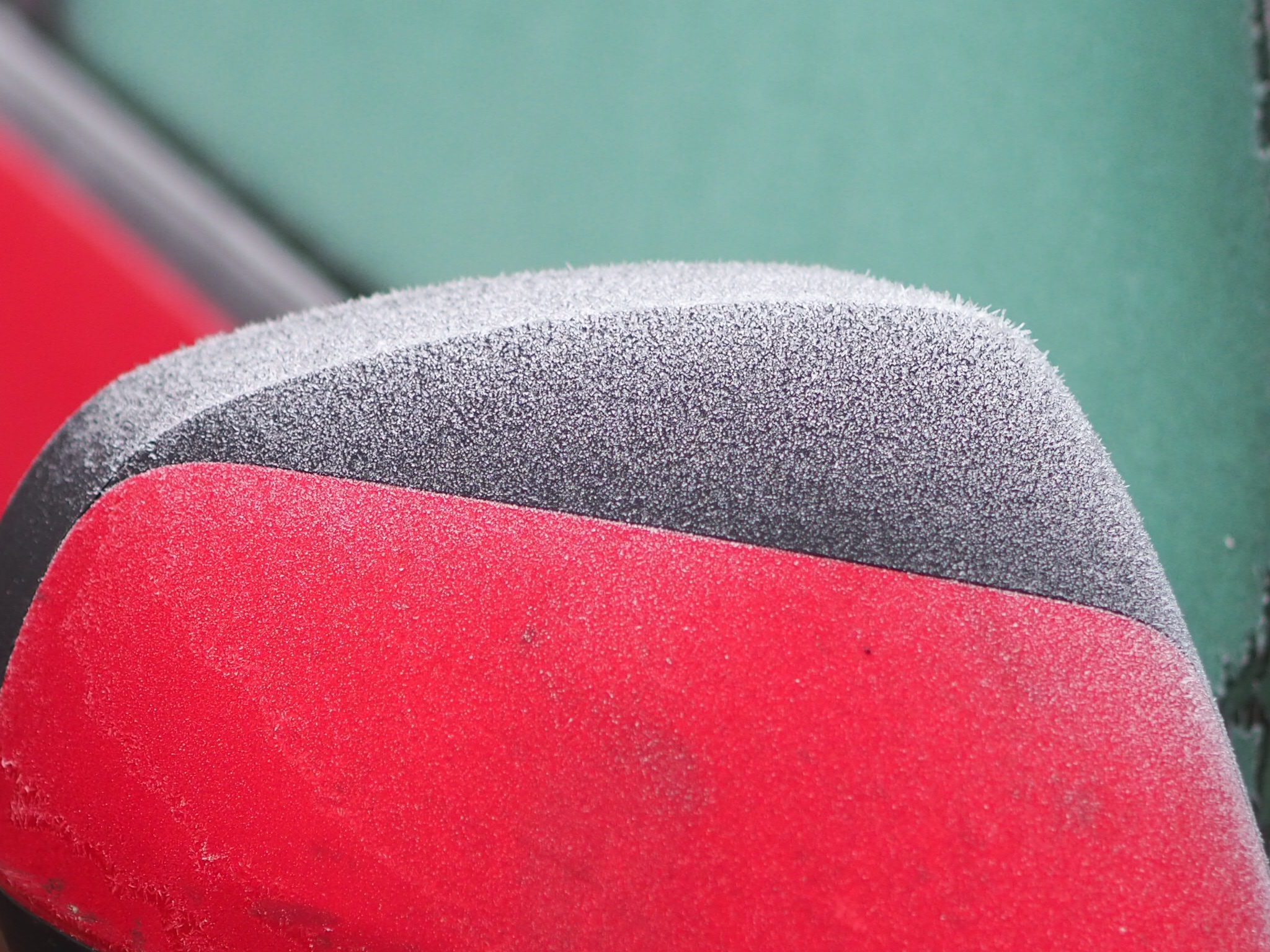
It is advisable to change to winter tyres or invest in all-season tyres once the cold starts to set in and the risk of snow and ice increases. Tyres should have a tread of at least 1.6mm but over the winter months it is advisable to increase this. Tyres should also be in a good condition and be inflated to the recommended pressure. If you are unsure, it is always best to check with a professional rather than risk your safety.
Batteries
Your car battery should last around five years but during winter they are put through extra strain, powering the heating, lights and windscreen wipers more often than during summer months. During cold weather, it can be more difficult to charge a flat battery. Consider storing your car out of the cold in a garage where possible and have your battery and electrics checked at the end of autumn.
Windscreen
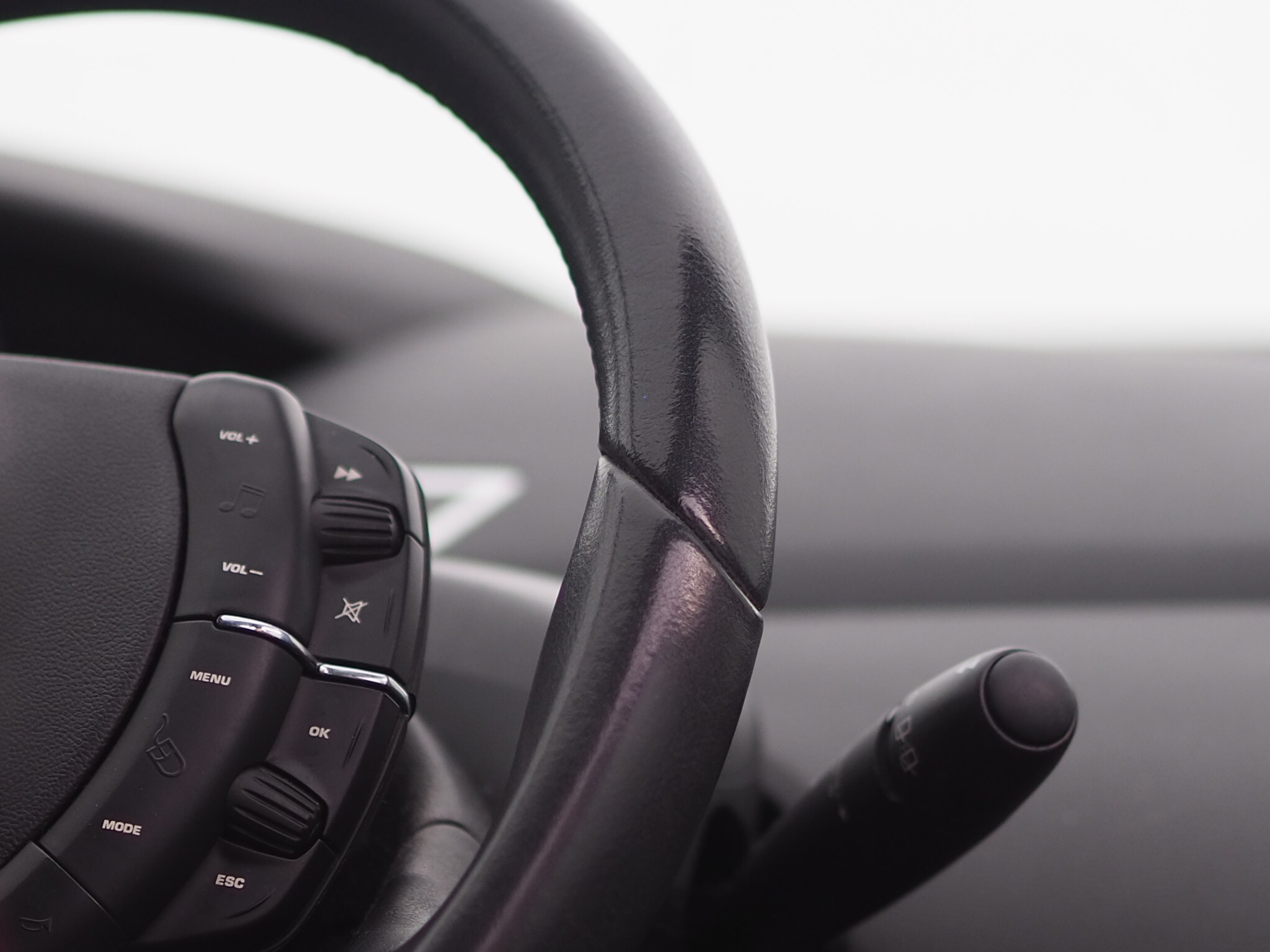
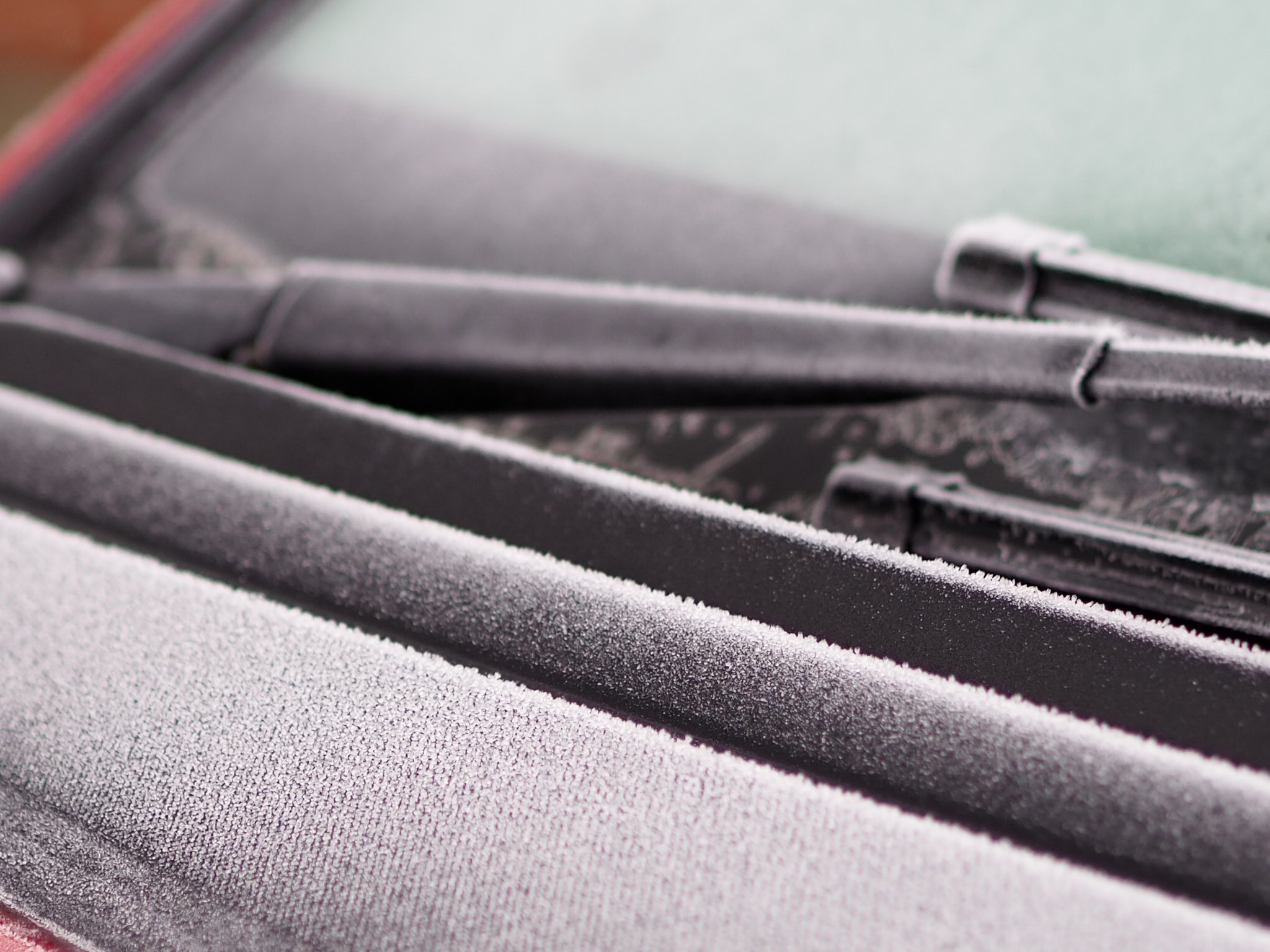
It is important to ensure your vision is not impaired due to cold weather, frost or snow. Make sure you clean your windscreen both inside and out. If it has snowed overnight, you need to clear it from your roof as well as your front and back windscreens so that it doesn’t fall during travel, blocking your view. Remember to check wiper blades for sign of wear and tear or damage.
Lights
Lights are important to ensure you can be seen in low level lighting, fog, mist or snow. Check all your lights regularly, including side and brake lights. When clearing snow from your car, it is important to ensure lights are clear as well as windscreens. Snow or ice can reduce the strength of your lights, making it hard to see them in poor weather conditions.
Emergency Kit