Contributed Collaborative Post
Pittsburgh, with its diverse climate ranging from hot summers to snowy winters, poses unique challenges for homeowners, especially when it comes to maintaining a roof. Proper roof care is crucial in such an environment, where seasonal extremes can hasten wear and tear. For new homeowners, understanding the importance of roof maintenance is not just about preserving aesthetics but also about ensuring the longevity and safety of their investment.
Understand Your Roof Type
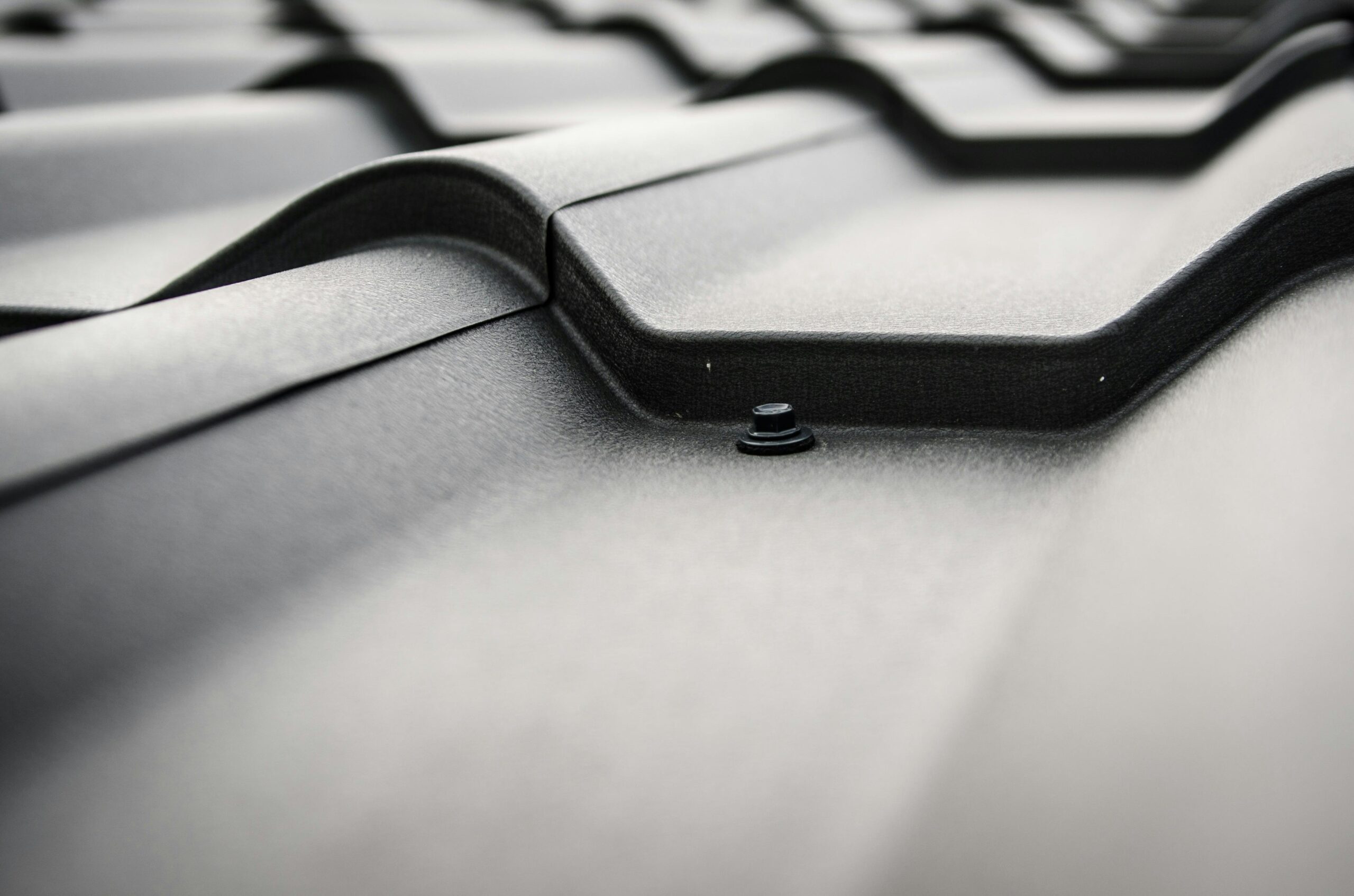
Each roofing material has its unique set of requirements for maintenance and care. Asphalt shingles, the most common type found in many homes, demand regular checks for cracking, curling, or loss of granules, which can indicate wear. Metal roofs, praised for their durability and long lifespan, should be inspected for rust, especially at the seams and fasteners. Tile roofs, while exceptionally durable, can break or become dislodged and should be inspected for cracked or missing tiles. For new homeowners, identifying the type of roofing material is the first step towards effective maintenance.
Regular Inspections Are Key
Routine inspections are crucial in catching potential roof issues before they escalate into costly repairs. It is advisable to inspect your roof biannually—once in the spring and once in the fall. Additionally, inspections should follow major weather events. While homeowners can perform a basic inspection from the ground with binoculars, for a comprehensive assessment, one might consider hiring a professional. A trusted Pittsburgh roofing company can provide expert evaluations, helping identify issues that untrained eyes might miss.
Clean Your Gutters Regularly
Gutters play a significant role in roof maintenance by directing water away from the roof’s surface and the home’s foundation. When gutters clog with leaves, twigs, and other debris, they can overflow, leading to water backup under roof shingles and potentially into the home. This can cause significant water damage over time. Homeowners should clean their gutters at least twice a year—typically in the late spring and early fall—to ensure they are free from obstructions.
Remove Overhanging Tree Branches
Tree branches that overhang a roof can pose several risks. They can scrape against roofing materials, removing protective layers or dislodging shingles during windy conditions. Additionally, overhanging branches can drop leaves and debris directly onto the roof, promoting moisture retention and the growth of moss and algae, which can degrade roofing materials. Trimming any branches that hang over the roof is a preventive measure that can help maintain the roof’s integrity and appearance.
Check for Signs of Wear and Tear
Regular monitoring of the roof for signs of wear and tear can help catch minor issues before they become major problems. Homeowners should look for signs such as missing, cracked, or curling shingles; worn pipe boots; rusted or missing flashing; and any other irregularities. It’s particularly important to check areas around chimneys, vents, and skylights, where leaks often first develop. Addressing these issues promptly can prevent water from seeping into the home and causing internal damage.
Address Leaks Immediately
When a roof leak is detected, immediate action is essential to prevent further damage to the roof and the interior of the home. Water intrusion can lead to mold growth, structural deterioration, and damage to insulation and electrical systems. Homeowners should look for signs of leaks inside the house, such as water stains on ceilings and walls, peeling paint, or unexplained musty odors. It’s advisable to address these leaks by first identifying the source, which often originates from compromised shingles, faulty flashing, or blocked gutters. Quick fixes can involve applying roofing cement to small cracks or replacing damaged shingles, but for larger issues or uncertain sources, calling a professional is the safest choice.
Prevent Ice Dam Formation
Ice dams form when heat from the attic melts snow on the roof, causing it to trickle down and refreeze at the roof’s edge, creating a barrier that traps water. This standing water can seep under shingles and into the home, causing significant damage. To prevent ice dams, homeowners should ensure their attic is well-insulated and ventilated. Insulation keeps heat from escaping from the home’s interior to the attic, while ventilation helps remove the heat that does reach the attic. Additionally, installing heated cables along the edges of the roof can prevent ice from forming.
Ensure Proper Attic Ventilation
Adequate attic ventilation is vital in maintaining roof health. Poor ventilation can lead to a buildup of heat and moisture in the attic, which can prematurely age roofing materials and lead to rot. In the winter, warm attic temperatures can contribute to ice dam formation as mentioned earlier. Homeowners should ensure their attic has both intake vents, typically under the eaves, and exhaust vents at or near the roof’s peak. This setup allows cool air to enter through the intake vents, pushing warm air out through the exhaust, promoting a constant airflow that helps protect the roof structure.
Seal and Insulate Properly
Sealing and insulating the attic are crucial steps in roof maintenance that go hand in hand with proper ventilation. Proper insulation in the attic helps maintain consistent temperatures within the home, reducing the risk of ice dams and helping with energy efficiency. Additionally, sealing any gaps or leaks in the attic floor prevents warm air from seeping into the attic, further stabilizing temperatures and reducing the workload on heating and cooling systems. Homeowners should check the attic regularly for any signs of inadequate insulation or air leaks and address these issues promptly to maintain optimal roof health.
Conclusion
By adhering to these maintenance tips, homeowners not only protect their roofs but also contribute to the overall energy efficiency and structural integrity of their homes. Regular attention and timely repairs can significantly extend the life of a roof and prevent costly future repairs, ensuring the home remains a safe and comfortable place for years to come.
This is a contributed collaborative post