Contributed Collaborative Post
There’s a strange assertion out there that if you don’t learn to drive a car before your thirties, somehow you’ve failed a very important societal test. But of course, that’s patently ridiculous. Perhaps you’ve always lived in urban or well-connected suburban environments, and have never really needed a car. Perhaps a medical issue precluded that opportunity until now. Maybe life circumstances meant you could never adjust the cost.
As with many assertions about age, you’ll usually start to drop any notions of what you can do when (within reason) as you get older. But this one seems to persist, and unfortunately many people think that learning to drive later in life is some kind of issue. It’s not at all. In fact, if you’ve been fine until now, there’s no harm done at all.
You may even be in an advantageous position learning a little older. In this post, we’ll discuss how and why that is:
You’ll Focus More Attentively On Your Lessons
Being a little older makes people take things more seriously. You’re not learning to drive because your friends are doing it, or because your parents are nudging you along. You’re doing it because you actually want or need to. That alone changes how you approach lessons. You’re likely paying for them entirely out of your own pocket too, as opposed to gaining help from a parent.
This means you’re more likely to listen carefully to your instructor instead of zoning out or messing around like a distracted teenager (though that’s not to insult teenagers, anyone can get distracted). You’re also probably a little more cautious, which, let’s be honest, is not a bad thing when you’re in charge of a moving vehicle. Moreover, since you’re used to making big decisions in other areas of life, handling the responsibility of driving doesn’t feel quite as intense as it once did.
This is often why driving institutions such as In Gear Driving School love mature learners because while they cherish their younger clients too, having someone around your age teaching you can feel like more of an impartial service from a peer.
You’ll Have Fewer Friends Depending On You
When you’re a teenager or in your early twenties, getting a car often comes with an unspoken side gig as a taxi service. Friends suddenly “forget” how public transport works, and before you know it, you’re the designated driver for every night out, weekend trip, and random errand. It’s fun at first, but it gets old fast, especially if you have to remind them for fuel money each time.
Learning to drive later means you skip all of that for the most part, as most of your friends already have their own transport sorted, and no one expects you to be at their beck and call. Your car is yours, for your needs, not for chauffeuring people who didn’t plan ahead.
Your Insurance Costs Will Be Cheaper
One of the biggest perks of learning to drive at an older age is that you don’t get lumped in with the high-risk category that younger drivers have to deal with. Insurance companies charge teenagers and people in their early twenties eye-watering amounts because, statistically, they’re more likely to crash. Of course, those who are just qualified can be as well, so it might not be as cheap as it would if you had a ten-year no-claims bonus, but older drivers, especially those in their thirties or beyond, are seen as lower risk, which can grant lower premiums.
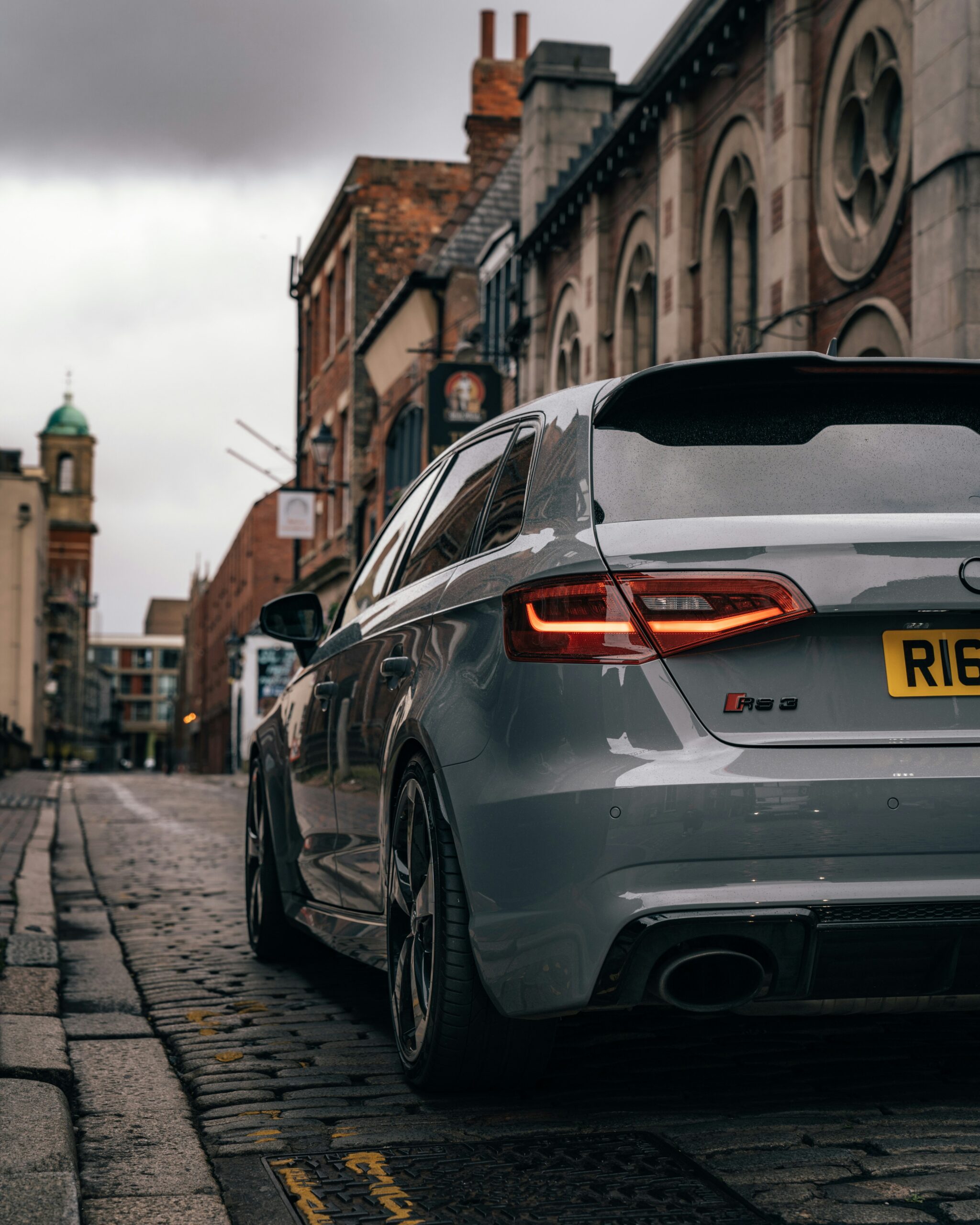
You Won’t Feel The Need To Buy Flashy Vehicles
Younger drivers often get lost in the idea that their first car has to be something exciting or flashy, and if they’re lucky enough to have someone help them with that first purchase, they might think they need something impressive. That’s not a bad idea, go for the best car you can of course. However, sometimes that does lead to buying something impractical, expensive to insure, and, quite frankly, a pain to maintain.
By contrast, learning to drive later in life means you’re much more likely to go for something sensible and not cool. In your thirties, often the idea of trying to impress others can fade away, at least it does for many. You’re more likely to enjoy a reliable, fuel-efficient car that does the without draining your bank account and that can be repaired pretty easily with aftermarket and not proprietary parts. There’s a good amount of freedom in that, especially as you’re building up your car knowledge.
If you’re considering buying a car taking the time to research practical options can sve you money in the long run. Many older first-time drivers focus on reliability, safety ratings, and low running costs rather than the latest trends. This approach not only makes financial sense but also ensures you have a care that really fits in with your lifestyle.
You’ll Take A Closer Look At Maintenance
When you start driving younger, it’s easy to take car maintenance for granted. If something goes wrong, a parent or relative usually steps in to help, or you just hand the problem off to a mechanic without thinking too much about it.
But when you learn to drive later, you’re a little more practical about things. Maybe you learned to fix your washing machine because you didn’t want to pay for repairs, and so you naturally apply that mindset to vehicle care (though of course, make sure you don’t interfere if you’re not sure what you’re doing).
You’ll likely take the time to understand how your car works, what needs upkeep, and how to spot issues before they turn into a painful and annoying repair. You’re more inclined to check tire pressure, change the oil on schedule, and actually read the owner’s manual instead of stuffing it in the glovebox and forgetting it exists. You’re also more likely to follow those insights we see as platitudes in our youth, such as planning our journey ahead or not driving if you’re at all drowsy or still hungover. Is everyone in their thirties wise? Not at all, you’ll no doubt find that out if you’re not here yet. But statistically, this is more likely to be the case.
With this advice, we hope you can see that learning to drive in your thirties can be a wonderful use of your time, and not embarrassing at all.
This is a contributed collaborative post